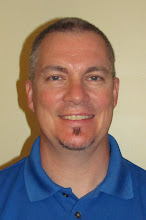
This past week I had coffee with the pastor of the church we're now attending. I talked for about an hour straight, telling my story. All the while he provided the appropriate empathetic statements as I talked. Then it was his turn. He and his wife had come off a very similar experience before coming to this church. There is another former pastor in the church who also had a similar experience. On Sunday, the three of us gathered together and joked about being the Fraternity of the Fired.
Sunday after church we attended the monthly "Pasta with the Pastor". It is an opportunity for people new to the church to meet the pastor and other church leaders. During this time they detail the ministries of the church, its philosophy and vision of ministry, their discipleship process, and other important details in the life of the church. There were approximately 15-20 other new people attending this event, but Tammy and I were the only ones saying "Amen!", "Awesome", "Great", or other exclamations of affirmation, probably because we were the only former pastoral family in attendance.
I must say, I was very excited about the possibilities of being involved in this church for a long time. They are doing everything I've ever had a vision for doing in a church. I don't say that to be critical of previous churches where I have served. That quite possibly is more a reflection on my ability to shape the vision of those churches. Whatever . . . that's not important anyway. The present and future are the point.
One of my strenghts (faults?) is that I make decisions quickly. Most of the time I am able to process all the data, possible scenarios, etc, and make good, wise decisions on the situation. I usually am able to recognize when I need to slow down and allow time to pass so that I can reflect more and get more input from others.
Yesterday was one of those times when I was ready to act. The church is getting to have a new members class and I mentioned attending that class to Tammy. She got bug-eyed and said, "It's too early to consider membership." I agree it's a fast turnaround. Part of my motivation is to learn even more about how the church operates. But I will admit that membership is something I'm willing to commit to. Unless there is some major theological conflict, why not go ahead and commit? We're mature Christians who have served in pastoral ministry and should understand these types of issues better than the average person who just happens to be looking for a church home. However, I will allow that the time factor should be cautiously exercised.
Most of the following questions are rhetorical. Now that I am on the second year of living faithfully, the question becomes "When?" If there is an peace and assurance from the Spirit about this church being a new place of ministry, why not now?
Monday, January 19, 2009


Sunday, January 4, 2009
Back Inside for a 2nd time
Today we returned to the church we visited on December 21. As I type this post, I'm not sure what to say about our experience. Having been a pastor, you always wonder how visitors view and experience what happens during the worship service. You hear things like, "I liked it." "It was nice." "I enjoyed your message." "We had a good time." None of those things really tell you anything. Therefore, I've had to stop myself from writing, "We had a good time and enjoyed ourselves. The message was very good."
When it comes to picking a new church home, there are lots of ways to make your final decision. Some people choose a church where they grew up. That becomes their church home by default. Others pick a church on the basis of the relationships they already have. Another important factor is the demographic of the church. Somewhere in this mix of data, people begin to weigh worship elements like the style and quality of the music and the pastor's message. I have served churches where new people liked everything about the music, the message, and the demographic. But after a few weeks, they left for another church. The deciding factor was the inability to connect with anybody at the church. They were not able to form new relationships with the people they hoped would become their new church family.
Well, so far after two visits at the church, we like the music and we like the sermon. We know a handful of people already. As we continue to try on this new church, the next step will entail getting our kids involved with aspects of the children's ministry there, as well as a small group for us parents. In a few weeks we will attend their monthly informational meeting for new folks called "Pasta with the Pastor". The week following that is fortuitiously the church's annual business meeting. This event is one of those that can't be dressed up in order to hide the warts. Here's where you'll get a good look at who the church really is.
A couple of factors in choosing a church have not been mentioned yet. What type of ministry opportunities are available, i.e. how can we serve using our gifts and talents? What type of outreach, locally and globally are being done? Is it clear that the Holy Spirit directs this church?
I'd like to wrap up by touching on that last one. I think it is clear that the Holy Spirit is present in the worship of this church. For the record, I think the Holy Spirit is present in the worship at ANY church, despite what some in the pews might say. We sometimes have a harder time as individuals detecting that because of our own issues. More importantly, I can sense that this church is a place where the Holy Spirit is directing us. He will lead and guide us as we integrate ourselves into the community life of this church. Partly due to my nature and past experiences, I found myself naturally wanting to get involved in as much of the church as possible. I even found myself subconsciously thinking that I needed to be at the church this Wednesday night to help take down Christmas decorations!
I hope to sit down with the pastor in the next 7 to 10 days to talk about the church. Unfortunately, I probably still have some baggage from last year that needs unpacking and I'm still looking at everything through the lenses of what I had hoped to be a home church model. This blog is about living faithfully. So for now, I'm being faithful to the Spirit's leading and going back inside is where he's taking me.
One final note. It's likely that this blog will not see as regular a schedule of updates as my other blog. That's partly due to the fact that this "year" is almost over. However, I will come back as often as necessary to post. On my other blog will be a link that will tell you when this site was last updated.
When it comes to picking a new church home, there are lots of ways to make your final decision. Some people choose a church where they grew up. That becomes their church home by default. Others pick a church on the basis of the relationships they already have. Another important factor is the demographic of the church. Somewhere in this mix of data, people begin to weigh worship elements like the style and quality of the music and the pastor's message. I have served churches where new people liked everything about the music, the message, and the demographic. But after a few weeks, they left for another church. The deciding factor was the inability to connect with anybody at the church. They were not able to form new relationships with the people they hoped would become their new church family.
Well, so far after two visits at the church, we like the music and we like the sermon. We know a handful of people already. As we continue to try on this new church, the next step will entail getting our kids involved with aspects of the children's ministry there, as well as a small group for us parents. In a few weeks we will attend their monthly informational meeting for new folks called "Pasta with the Pastor". The week following that is fortuitiously the church's annual business meeting. This event is one of those that can't be dressed up in order to hide the warts. Here's where you'll get a good look at who the church really is.
A couple of factors in choosing a church have not been mentioned yet. What type of ministry opportunities are available, i.e. how can we serve using our gifts and talents? What type of outreach, locally and globally are being done? Is it clear that the Holy Spirit directs this church?
I'd like to wrap up by touching on that last one. I think it is clear that the Holy Spirit is present in the worship of this church. For the record, I think the Holy Spirit is present in the worship at ANY church, despite what some in the pews might say. We sometimes have a harder time as individuals detecting that because of our own issues. More importantly, I can sense that this church is a place where the Holy Spirit is directing us. He will lead and guide us as we integrate ourselves into the community life of this church. Partly due to my nature and past experiences, I found myself naturally wanting to get involved in as much of the church as possible. I even found myself subconsciously thinking that I needed to be at the church this Wednesday night to help take down Christmas decorations!
I hope to sit down with the pastor in the next 7 to 10 days to talk about the church. Unfortunately, I probably still have some baggage from last year that needs unpacking and I'm still looking at everything through the lenses of what I had hoped to be a home church model. This blog is about living faithfully. So for now, I'm being faithful to the Spirit's leading and going back inside is where he's taking me.
One final note. It's likely that this blog will not see as regular a schedule of updates as my other blog. That's partly due to the fact that this "year" is almost over. However, I will come back as often as necessary to post. On my other blog will be a link that will tell you when this site was last updated.
Monday, December 22, 2008
Back Inside
Yesterday we attended a brick and mortar church. A few weeks ago I hinted this was coming. We chose a church where we already knew some people. We have also heard good things about this church. Of course, every coin has two sides, so we've heard some other things about it as well. Not bad things per se, just some things that others were dissatisfied with. Having been a pastor, I don't let those things bother me. Besides, we have to experience it for ourselves. We even previewed a couple of the pastor's sermons online.
It was a great Sunday. First, the boys didn't give us any fuss. They don't like to have their routines messed with and moving church back outside the house and inside the traditional church model falls into that category. But, they had plenty of warning, plus they knew some kids there already AND I believe that deep down in their hearts they feel it is the best thing also.
Second, it was wonderful to be part of corporate worship again. There is nothing like singing songs of praises with other Christians. This part is especially important for my wife. The toughest part as a former pastor came during the sermon. Of all the duties I performed as a pastor, delivering the sermon was my favorite. It is a special privilege to bring forth and break the Word for God's people. Despite those initial pangs of bygone experiences, the pastor did an excellent job of guiding us through the Word so that we might receive the message God had for us.
We've not decided on this as our new church home - it was only our first Sunday. We'll check it out several more times and get involved with other aspects of community life there. In the meantime, we'll praying and following wherever God leads.
It was a great Sunday. First, the boys didn't give us any fuss. They don't like to have their routines messed with and moving church back outside the house and inside the traditional church model falls into that category. But, they had plenty of warning, plus they knew some kids there already AND I believe that deep down in their hearts they feel it is the best thing also.
Second, it was wonderful to be part of corporate worship again. There is nothing like singing songs of praises with other Christians. This part is especially important for my wife. The toughest part as a former pastor came during the sermon. Of all the duties I performed as a pastor, delivering the sermon was my favorite. It is a special privilege to bring forth and break the Word for God's people. Despite those initial pangs of bygone experiences, the pastor did an excellent job of guiding us through the Word so that we might receive the message God had for us.
We've not decided on this as our new church home - it was only our first Sunday. We'll check it out several more times and get involved with other aspects of community life there. In the meantime, we'll praying and following wherever God leads.
Sunday, December 7, 2008
The Closing of a Door?
After finishing the below post I went back to update this page some. I changed a couple of lines in the "Why do this?" paragraph to your left. I reviewed my early posting during that first month back in May. I reread the only post in November. A significant shift has taken place in the time between those two sets. My early posts all came from the perspective of someone who was a pastor not serving in a church, but would probably return to such a role. Over time, the perspective slowly shifted to someone who might continue to be called "pastor" but not going back to the pulpit anytime soon. The shift has reached its final stage with the removal of the title "pastor" for good.
I truly believe that I will never serve a church as a pastor again. Coming to that realization and accepting it has been a liberating experience in my quest to live faithfully to him. The interesting thing is what remains. I have lost the desire to be pastor/leader of a local church. I have lost the sense of the call to be a pastor of a local church. What I have NOT lost is the heart of a pastor that cares about people, their lives, their joys, and their troubles. I think that's because it's really the heart of a Christian, the heart of Christ himself.
This week I closed the door on those possibilities and even removed the word "pastor" from title. I formally turned in my credentials as an ordained minister in The Wesleyan Church. I am no longer "Reverend" or "Pastor" Matt Guthrie. I'm just Matt Guthrie, follower of Christ. Even though I have spent two years praying and contemplating this move, even though I made this decision two months ago, it felt very strange to finally write the letter, seal the envelope, and put it in the mail on Monday morning.
I think I also opened a door this week. One that leads to even more dependence on Him and his leading. One that leads to an even greater searching of what it means to live faithfully. At least I hope so.
I truly believe that I will never serve a church as a pastor again. Coming to that realization and accepting it has been a liberating experience in my quest to live faithfully to him. The interesting thing is what remains. I have lost the desire to be pastor/leader of a local church. I have lost the sense of the call to be a pastor of a local church. What I have NOT lost is the heart of a pastor that cares about people, their lives, their joys, and their troubles. I think that's because it's really the heart of a Christian, the heart of Christ himself.
This week I closed the door on those possibilities and even removed the word "pastor" from title. I formally turned in my credentials as an ordained minister in The Wesleyan Church. I am no longer "Reverend" or "Pastor" Matt Guthrie. I'm just Matt Guthrie, follower of Christ. Even though I have spent two years praying and contemplating this move, even though I made this decision two months ago, it felt very strange to finally write the letter, seal the envelope, and put it in the mail on Monday morning.
I think I also opened a door this week. One that leads to even more dependence on Him and his leading. One that leads to an even greater searching of what it means to live faithfully. At least I hope so.
The Nature of (a faith) Community
On my other blog, I've posted some thoughts on what it takes to make a community. As of late that has been a very serious question for me in the context of this time being spent outside the brick and mortar church. During our family worship time this morning, I was very honest with my family about my struggle. I'm fairly confident we are not doing what we are supposed to be doing. That could be attributed to at least two possibilities. One, God may desire, command even, that we be part of a local church, i.e. the brick and mortar manifestation of the body of Christ. Two, our "failure" may be due to the fact that our fellowship consists only of our four immediate family members. My only desire is to do what is best for my family. At this point, I'm believing that rejoining a local body of believers in the traditional church is the correct course.
Two weeks ago I was very excited about the possibility of staying our current course. I was pumped up by the promise of other families joining us for the study of God's word and real life application of it as we lived that which we learned, as we became incarnational entities of God's love, resembling and having the effects of the early body of believers in the book of Acts. Two weeks later, it's still just us four. If I'm not going to do any better at inviting others in, I need to go somewhere that is.
Everyone likes to look back at the "good ol' days" of the Church when this kind of thing happened. People who are strongly opposed to the idea of the brick and mortar church use various passages from Acts and partial understandings of early Church history to justify their viewpoint. However, when you look at the passage hyperlinked above, it is hard to ignore this key phrase -"Every day they continued to meet together in the temple courts."
Two weeks ago I was encouraged by what I perceived to be a revelation of the Holy Spirit. On Sunday mornings, our family is doing a very indepth study of the Gospel of John. I'm doing my best to keep it at level my sons can understand but then challenging enough for my wife and I. One of the themes that keeps coming up in this study is the removal of barriers between us and God - physical, spiritual, religious, social, economic, etc. Now, I could have been reading my own ideas into these, but I don't think that's the case. As these ideas kept popping up in our study, I said to myself, "God wants me to stay this course for the people for whom the brick and mortar church is a barrier." But I am missing the fellowship and the community of that type of church.
Tonight I came across a quote on another blog about the nature of reading the Bible (see point #2 there). I agree with that statement. I think it is dangerous to read the Word alone and draw your own conclusions without any outside conversation. I have said before that a committee of one is easy to convince.
So why am I arguing both sides of this issue, and more from the side that is completely opposite from what I'm currently doing? Because I am being bluntly honest. Because I want to be truly faithful. Where will I end up? I don't know for sure, but if I were a betting man, I'd say my family will begin church shopping real soon.
What's this got to do with the nature of community? Everything. We've got to find some people with a shared world view and a shared faith in Jesus Christ as our Savior to do life with. That's what community is all about.
Two weeks ago I was very excited about the possibility of staying our current course. I was pumped up by the promise of other families joining us for the study of God's word and real life application of it as we lived that which we learned, as we became incarnational entities of God's love, resembling and having the effects of the early body of believers in the book of Acts. Two weeks later, it's still just us four. If I'm not going to do any better at inviting others in, I need to go somewhere that is.
Everyone likes to look back at the "good ol' days" of the Church when this kind of thing happened. People who are strongly opposed to the idea of the brick and mortar church use various passages from Acts and partial understandings of early Church history to justify their viewpoint. However, when you look at the passage hyperlinked above, it is hard to ignore this key phrase -"Every day they continued to meet together in the temple courts."
Two weeks ago I was encouraged by what I perceived to be a revelation of the Holy Spirit. On Sunday mornings, our family is doing a very indepth study of the Gospel of John. I'm doing my best to keep it at level my sons can understand but then challenging enough for my wife and I. One of the themes that keeps coming up in this study is the removal of barriers between us and God - physical, spiritual, religious, social, economic, etc. Now, I could have been reading my own ideas into these, but I don't think that's the case. As these ideas kept popping up in our study, I said to myself, "God wants me to stay this course for the people for whom the brick and mortar church is a barrier." But I am missing the fellowship and the community of that type of church.
Tonight I came across a quote on another blog about the nature of reading the Bible (see point #2 there). I agree with that statement. I think it is dangerous to read the Word alone and draw your own conclusions without any outside conversation. I have said before that a committee of one is easy to convince.
So why am I arguing both sides of this issue, and more from the side that is completely opposite from what I'm currently doing? Because I am being bluntly honest. Because I want to be truly faithful. Where will I end up? I don't know for sure, but if I were a betting man, I'd say my family will begin church shopping real soon.
What's this got to do with the nature of community? Everything. We've got to find some people with a shared world view and a shared faith in Jesus Christ as our Savior to do life with. That's what community is all about.
Sunday, November 16, 2008
The Greatest People in the World
I'd like to reaffirm something I have believed for a really long time. Pastors are the greatest people in the world. The men and women (and their spouses) who serve their Savior by serving people in the local church are the most giving, loving, self-sacrificing people I know. I'm not saying this because I am a pastor. I'm saying this because I'm no longer a pastor and I am not returning to that vocation.
Long before I began this new journey of living faithfully outside the brick and mortar church, I began to question my ability to serve as a pastor. I questioned my desire to serve as a pastor. I questioned God's call on my life. Some of what I'm about to say will serve as vindication to some of the strongest critics from my past. That's okay because they are still wrong in many of the things they said and did. I must also post the disclaimer that these thoughts have very little to do with the events that resulted in my decision to resign from our last church. These thoughts are the result are the honest outcome of almost two years of seeking God's guidance and direction on my life. If I am to live faithfully this year, or any other year, I must take these steps.
To those people who say "Yes" to a call of pastoral ministry, they take on the greatest challenges, the greatest sacrifices, the greatest struggles, and reap the greatest rewards because of it. They experience grace in ways that no one can understand unless they have said yes to the same call. I can boldly make such a statement because I have been there. God graciously enables pastors to take all kinds of hits from forces in the material and spiritual world and still come out as loving people in the end. October was "Pastor Appreciation Month." I hope your pastor felt appreciated.
To the guys who are my best friends in the world, thank you for all you do. Thank you for saying yes everyday to whatever and wherever God leads you. Thank you for understanding and believing me when I say that I too am saying yes to God by stepping out of this select group of wonderful people.
My ten years of pastoral ministry were wonderful. I saw and experienced many great things. I was able to grow closer to God in a way that I personally would not have been able to if I had been a lay person in the church. Those ten years were not mistakes nor do I believe this year and those to come will be. They are all part of the journey.
Despite the amount of space devoted to my own feelings and experience, this post really isn't about me It's about you. When things get discouraging, don't let it get to you. You are doing God's work. Remember that faithfulness matters, nothing else. It was Abraham's faith that caused him to be considered righteous. Pastors, you really are the greatest people in the world.
Long before I began this new journey of living faithfully outside the brick and mortar church, I began to question my ability to serve as a pastor. I questioned my desire to serve as a pastor. I questioned God's call on my life. Some of what I'm about to say will serve as vindication to some of the strongest critics from my past. That's okay because they are still wrong in many of the things they said and did. I must also post the disclaimer that these thoughts have very little to do with the events that resulted in my decision to resign from our last church. These thoughts are the result are the honest outcome of almost two years of seeking God's guidance and direction on my life. If I am to live faithfully this year, or any other year, I must take these steps.
To those people who say "Yes" to a call of pastoral ministry, they take on the greatest challenges, the greatest sacrifices, the greatest struggles, and reap the greatest rewards because of it. They experience grace in ways that no one can understand unless they have said yes to the same call. I can boldly make such a statement because I have been there. God graciously enables pastors to take all kinds of hits from forces in the material and spiritual world and still come out as loving people in the end. October was "Pastor Appreciation Month." I hope your pastor felt appreciated.
To the guys who are my best friends in the world, thank you for all you do. Thank you for saying yes everyday to whatever and wherever God leads you. Thank you for understanding and believing me when I say that I too am saying yes to God by stepping out of this select group of wonderful people.
My ten years of pastoral ministry were wonderful. I saw and experienced many great things. I was able to grow closer to God in a way that I personally would not have been able to if I had been a lay person in the church. Those ten years were not mistakes nor do I believe this year and those to come will be. They are all part of the journey.
Despite the amount of space devoted to my own feelings and experience, this post really isn't about me It's about you. When things get discouraging, don't let it get to you. You are doing God's work. Remember that faithfulness matters, nothing else. It was Abraham's faith that caused him to be considered righteous. Pastors, you really are the greatest people in the world.
Sunday, October 26, 2008
Virtual Faith?
On my other blog I've posted some thoughts about virtual faith but I won't repeat those here. In this year of living faithfully, I cannot help but wonder at times how real my own faith is. There are times when I feel like a "virtual Christian"; times like last Sunday morning where I wonder if I'm really doing the right thing. Especially when I think about my family. What views on Christian faith are my boys developing? How about my wife? She's "stuck" at home all week homeschooling our children. When we were part of a brick and mortar church she had some social outlets. For a while we met with another family but that arrangement did not work out. Perhaps we gave up on it too easily, but our visions and doctrinal views were too divergent. Maybe being part of the Body of Christ and living authentic faith means making those differences work, even in the most impossible seeming circumstances. (NOTE: I am not saying that there was a huge schism in our brief fellowship, just that we felt led to go in separate and different directions.)
On that same Sunday, I found myself in conversations with several other parents and their children discussing the matter of faith. I encountered people from all across the spectrum. Strong, secure Christians who were faithful church members. People who occassionally attend church. And people who have no part of church for a variety of reasons, usually relating to a lack of belief. When conversations would turn to my current situation (they all know that I used to pastor a church), I felt awkward, ineffective, and doubtful in what I had to say. Did I have a real faith?
This past week that view began to turn around. Initially the week reinforced my doubts. I know that some of my colleagues look at me dubiously because their perspective on ministry and a life of faith is relegated soley to the brick and mortar church. As opportunities to live and act faithfully presented itself (as it does every week), my doubts faded. The real need for a real faith demonstrated to real people with real problems is ever present.
As I was catching up on my blogreading, I came across the following quote on Brian Russell's blog. It is by Leslie Newbigin, a missionary from the UK to Asia. He has written some very challenging pieces on how we do church in the western world. He said,
Newbigin refers to a congregation as the intended believing community. I believe he meant a congregation that was the flesh and bones of a brick and mortar church, although he speaks against the program driven nature of most churches. I think the believing community might exist more effectively outside of those boundaries. That's why I'm on this particular journey. However, as long as my journey only includes my family, it will remain a virtual faith journey.
On that same Sunday, I found myself in conversations with several other parents and their children discussing the matter of faith. I encountered people from all across the spectrum. Strong, secure Christians who were faithful church members. People who occassionally attend church. And people who have no part of church for a variety of reasons, usually relating to a lack of belief. When conversations would turn to my current situation (they all know that I used to pastor a church), I felt awkward, ineffective, and doubtful in what I had to say. Did I have a real faith?
This past week that view began to turn around. Initially the week reinforced my doubts. I know that some of my colleagues look at me dubiously because their perspective on ministry and a life of faith is relegated soley to the brick and mortar church. As opportunities to live and act faithfully presented itself (as it does every week), my doubts faded. The real need for a real faith demonstrated to real people with real problems is ever present.
As I was catching up on my blogreading, I came across the following quote on Brian Russell's blog. It is by Leslie Newbigin, a missionary from the UK to Asia. He has written some very challenging pieces on how we do church in the western world. He said,
"How is it possible that the gospel should be credible, that people should come
to believe that the power, which has the last word in human affairs is
represented by a man hanging on a cross? I am suggesting that the only answer,
the only hermeneutic of the gospel, is a congregation of men and women who
believe it and live by it. I am, of course, not denying the importance of many
activities by which we seek to challenge public life with the gospel's
evangelistic campaigns, distribution of Bibles and Christian literature,
conferences, and even books such as this one. But I am saying that these are all
secondary, and that they have power to accomplish their purposes only as they
are rooted in and lead back to a believing community"
Newbigin refers to a congregation as the intended believing community. I believe he meant a congregation that was the flesh and bones of a brick and mortar church, although he speaks against the program driven nature of most churches. I think the believing community might exist more effectively outside of those boundaries. That's why I'm on this particular journey. However, as long as my journey only includes my family, it will remain a virtual faith journey.
Wednesday, September 24, 2008
The "new self" (part 3)
In this journey of trying to live faithfully to God, His will, Word, and everything else, it has also become a journey of self discovery. For many reasons I have been forced to examine what I believe and why to levels heretofore unvisited. I have been searching for the Core of what it means to be a Christan, a subject I will hopefully revisit here again soon. During this time of discovery, I have reaffirmed much of what I already knew about myself. And I have acknowledged some additional truths as well.
One of those truths is I am selfish. All of us are to an extent. I don't think I am any more selfish than the next guy. Sounds like a good cop out or defensive rebuttal doesn't it? Yet I'm serious. I'm selfish, pretty selfish. I like doing things for me. I like being in control of my life. I like to do things in a way that they are most convenient for me.
That's a problem. When I read the Bible, I'm told that I'm supposed to put myself last. We are supposed to look to the needs of others before ourselves, counting our selves nothing (Philippians 2). Jesus said whoever saves his life will lose it. He also said we are to deny ourselves, take up our cross, and follow him (Luke 9) What do you do when you are a selfish person who is trying to live faithfully? Aren't those polar opposites?
Honestly,I think I'm ok. And not just because I'm selfish. I think I'm okay because I feel like I meet those above requirements to deny self. Part 4 will address this more. Come back and see what some of the other implications are.
One of those truths is I am selfish. All of us are to an extent. I don't think I am any more selfish than the next guy. Sounds like a good cop out or defensive rebuttal doesn't it? Yet I'm serious. I'm selfish, pretty selfish. I like doing things for me. I like being in control of my life. I like to do things in a way that they are most convenient for me.
That's a problem. When I read the Bible, I'm told that I'm supposed to put myself last. We are supposed to look to the needs of others before ourselves, counting our selves nothing (Philippians 2). Jesus said whoever saves his life will lose it. He also said we are to deny ourselves, take up our cross, and follow him (Luke 9) What do you do when you are a selfish person who is trying to live faithfully? Aren't those polar opposites?
Honestly,I think I'm ok. And not just because I'm selfish. I think I'm okay because I feel like I meet those above requirements to deny self. Part 4 will address this more. Come back and see what some of the other implications are.
Thursday, September 11, 2008
The "new self" (con't)
As I said in my previous post, I'm having the time of my life as a middle school teacher right now. A friend emailed me the other day to see if I had been eaten alive yet. I replied with a much shorter version of that post.
This process of discovering my new self has provided all sorts of interesting questions from others. I have a ton of t-shirts that I got from church camps for kids. I have an equal number of shirts from an annual pastors retreat I used to attend every fall, which by the way, is meeting right now without me. Since I coach the school's volleyball team, I always change for practice and usually wear a shirt from one of these two collections.
Today, I was wearing one of my "Carolina Pastor's Gathering" shirts. One of the girls on the team noticed and asked, "Are you a pastor?" I honestly did not know how to answer. I was chided a few weeks ago by a co-worker whose husband was in youth ministry for 20 years when I said, "I used to be." She said, "You'll always be a pastor." My wife was gently reminded by another pastor's wife that even though I am not pastoring a church right now, she is still a pastor's wife.
So . . . how did I answer that question? I certainly don't feel like a pastor, at least not in the traditional understanding of the word. I definitely feel like my job as a teacher is a ministry to the kids and fellow staff. I have countless ministry opportunities available to me everyday. I take advantage of each one as they come my way. I can't remember if I've said it here before, but one of my fellow teachers calls me Pastor Matt. A mock up of my seminary degree is even posted outside my classroom door
My reply to the student was, "I used to be." That may have been the wrong answer. One of the things I will be very honest about in this journey of self re-discovery is that very issue. What am I? I do not see a return to the brick and mortar church in my future any time soon. But might I become the "chaplain" of Clayton Middle School?
That's my story for today about trying to live faithfully. My new self is having a great time, but still questioning how others might view me, the least of which is not God himself. Soon I'll come back and share some of the other things I've learned at middle school, about myself and others.
This process of discovering my new self has provided all sorts of interesting questions from others. I have a ton of t-shirts that I got from church camps for kids. I have an equal number of shirts from an annual pastors retreat I used to attend every fall, which by the way, is meeting right now without me. Since I coach the school's volleyball team, I always change for practice and usually wear a shirt from one of these two collections.
Today, I was wearing one of my "Carolina Pastor's Gathering" shirts. One of the girls on the team noticed and asked, "Are you a pastor?" I honestly did not know how to answer. I was chided a few weeks ago by a co-worker whose husband was in youth ministry for 20 years when I said, "I used to be." She said, "You'll always be a pastor." My wife was gently reminded by another pastor's wife that even though I am not pastoring a church right now, she is still a pastor's wife.
So . . . how did I answer that question? I certainly don't feel like a pastor, at least not in the traditional understanding of the word. I definitely feel like my job as a teacher is a ministry to the kids and fellow staff. I have countless ministry opportunities available to me everyday. I take advantage of each one as they come my way. I can't remember if I've said it here before, but one of my fellow teachers calls me Pastor Matt. A mock up of my seminary degree is even posted outside my classroom door
My reply to the student was, "I used to be." That may have been the wrong answer. One of the things I will be very honest about in this journey of self re-discovery is that very issue. What am I? I do not see a return to the brick and mortar church in my future any time soon. But might I become the "chaplain" of Clayton Middle School?
That's my story for today about trying to live faithfully. My new self is having a great time, but still questioning how others might view me, the least of which is not God himself. Soon I'll come back and share some of the other things I've learned at middle school, about myself and others.
Sunday, September 7, 2008
Good times and my new "self"
I am having the time of my life right now. If I were living in a Broadway musical, I would be singing Everything's coming up roses. There are several possible responses to my new found euphoria. Some have said, "Let's talk in February. The honeymoon will be over by then." Others have celebrated with me, expressing their own happiness with my current state of joy. What is this joy I speak of? In part it's my new job, but it's more the total package of what God is doing in my entire life right now. And through it all, I'm discovering a new sense of self.
Since you're reading a blog about my life, I'm going to assume you don't mind being bored with the details. Let me begin with my new job. I teach seventh grade math at Clayton Middle School. As a whole, it's a great school - great student body, great community, and a great staff. However, from little bit I have observed, I am so glad I am part of the seventh grade team. Not that the other departments aren't as good. It's just that the seventh grade department has more of a team mentality than the others. Everything we do, we do as a team. It's truly wonderful.
The team thing is only part of my good fortune. I'm finding that I really like seventh graders. This is vastly different from everything I have said the last twenty years. In college when the time came to choose an age group for my certification, I chose high school. Middle schoolers have no control of their minds and bodies and they can't help it. When I taught high school, I loved it. I've actually taught middle school at three other schools. Each experience confirmed my initial thoughts - give me high schoolers or give me death.
That's all changed. I know it's only been two weeks, but I can see myself doing this for a long time. Part of the change in mindset is accepting that middle schoolers have no control over their minds and bodies and can't help it. Once you accept the reality of a situation, you don't have to stress over it. You can instead begin to work with it. That's another aspect of my new self - how I'm dealing with events around me.
There are several spiritual applications to all the above. I've got even more to say about my good times. But I need to leave in thirty minutes to bring God's Word to the people of Bethel Wesleyan Church and I still need to shave and iron a shirt. Come back soon for more updates.
Since you're reading a blog about my life, I'm going to assume you don't mind being bored with the details. Let me begin with my new job. I teach seventh grade math at Clayton Middle School. As a whole, it's a great school - great student body, great community, and a great staff. However, from little bit I have observed, I am so glad I am part of the seventh grade team. Not that the other departments aren't as good. It's just that the seventh grade department has more of a team mentality than the others. Everything we do, we do as a team. It's truly wonderful.
The team thing is only part of my good fortune. I'm finding that I really like seventh graders. This is vastly different from everything I have said the last twenty years. In college when the time came to choose an age group for my certification, I chose high school. Middle schoolers have no control of their minds and bodies and they can't help it. When I taught high school, I loved it. I've actually taught middle school at three other schools. Each experience confirmed my initial thoughts - give me high schoolers or give me death.
That's all changed. I know it's only been two weeks, but I can see myself doing this for a long time. Part of the change in mindset is accepting that middle schoolers have no control over their minds and bodies and can't help it. Once you accept the reality of a situation, you don't have to stress over it. You can instead begin to work with it. That's another aspect of my new self - how I'm dealing with events around me.
There are several spiritual applications to all the above. I've got even more to say about my good times. But I need to leave in thirty minutes to bring God's Word to the people of Bethel Wesleyan Church and I still need to shave and iron a shirt. Come back soon for more updates.
Saturday, August 30, 2008
Thoughts from Michael Phelps
I don't know about you, but I'm glad the Olympics are over. It was fun and exciting to watch. But after a while you get tired of them. Luckily they only come around every two years.
In reflecting back on those two weeks, it appears that Andy Warhol's statement about fame has been proven. Michael Phelps was the big story with is eight gold medal performances. It's still a great accomplishment and will probably stand for quite a while, maybe forever. The media has moved on however and so has the water cooler conversation.
Despite being out of the limelight, Phelps' performance has much to teach us about living faithfully to God. Three of his eight gold medals were in team events. If not for the incredible swim of his teammate Jason Lezak in the 4X100M relay, Phelps' total would have been only seven.
I'm learning a lot about teamwork. As a middle school teacher, teaming among teachers is the norm. All the math teachers in our grade level plan together, schedule together, etc. We even have integration teams that link several disciplines as we work together to teach our non-academic core classes together. Ideas, suggestions, support and help freely flow from one person to another. I consider myself one of the most fortunate people in the world to be part of the school team known as Clayton Middle School.
The idea of teamwork is beginning to permeate most of my life. I have organized all my students into teams. I told them it was because in real life, you never work alone. They were to also use the teams for peer support. Some of the responsibility for each student's individual success will depend on the help of his or her team.
I coach the school's volleyball the team. Final cuts were Thursday. At the first practice on Friday I told them they were only a squad right now. Their goal was to learn to play as a team. We began making strides toward that goal by the end of practice yesterday.
In the religious world, we call teams "community". On this faith journey outside the walls of the brick and mortar church, the need for a team is ever apparent. Living faithfully cannot be done alone. Life has normalized for us after a difficult six months. I'm amazed at the people God has placed in my path. I haven't built a team yet, but I know one is coming. More than gold medals await as result.
In reflecting back on those two weeks, it appears that Andy Warhol's statement about fame has been proven. Michael Phelps was the big story with is eight gold medal performances. It's still a great accomplishment and will probably stand for quite a while, maybe forever. The media has moved on however and so has the water cooler conversation.
Despite being out of the limelight, Phelps' performance has much to teach us about living faithfully to God. Three of his eight gold medals were in team events. If not for the incredible swim of his teammate Jason Lezak in the 4X100M relay, Phelps' total would have been only seven.
I'm learning a lot about teamwork. As a middle school teacher, teaming among teachers is the norm. All the math teachers in our grade level plan together, schedule together, etc. We even have integration teams that link several disciplines as we work together to teach our non-academic core classes together. Ideas, suggestions, support and help freely flow from one person to another. I consider myself one of the most fortunate people in the world to be part of the school team known as Clayton Middle School.
The idea of teamwork is beginning to permeate most of my life. I have organized all my students into teams. I told them it was because in real life, you never work alone. They were to also use the teams for peer support. Some of the responsibility for each student's individual success will depend on the help of his or her team.
I coach the school's volleyball the team. Final cuts were Thursday. At the first practice on Friday I told them they were only a squad right now. Their goal was to learn to play as a team. We began making strides toward that goal by the end of practice yesterday.
In the religious world, we call teams "community". On this faith journey outside the walls of the brick and mortar church, the need for a team is ever apparent. Living faithfully cannot be done alone. Life has normalized for us after a difficult six months. I'm amazed at the people God has placed in my path. I haven't built a team yet, but I know one is coming. More than gold medals await as result.
Thursday, August 14, 2008
What do you do when . . .
An old seminary bud has posted some interesting thoughts on pursuing your passions, regardless of the results. Be sure to read my comment and follow-up question to his thoughts.
I'll repeat my question here with some elaboration. I believe God has given us all talents, gifts, and passions. The three are not the same,though overlap may exist. Talents are those things we do naturally well. Gifts are those things God gives us and enables us to do "divinely well" (as Zola Levitt described them) for the purposes of building up the body of Christ and the Church. Passions are those things we relentlessly pursue because of the fulfillment they bring.
Here's the question. What do you do when your talents, gifts, and passions lead you in three different directions? Do you devote more energy to one at the neglect of the other? I pose this question because of the personal dilemma I am currently experiencing. I believe that I have certain gifts that will not be used unless I am in a brick and mortar church. I have discovered and re-discovered some passions that I am now pursuing. I am finding great fulfillment in them, though, perhaps selfishly. My new job as 7th grade math teacher certainly utilizes what I consider some of my natural talents.
Granted, there is some considerable overlap among the three areas. However, in the case of the gifts not being utilized, what do you think? Personally, I believe that I am being led to find another medium whereby they can be employed, not restricting them to the rigid paradigm of the brick and mortar church as the only church. (Forgive my lapse into intellectual speak) Besides losing yourself in your own introspection about your personal situation, I'd like your thoughts. How do you divy up your energy between talents, passions, and gift when there are all different?
I'll repeat my question here with some elaboration. I believe God has given us all talents, gifts, and passions. The three are not the same,though overlap may exist. Talents are those things we do naturally well. Gifts are those things God gives us and enables us to do "divinely well" (as Zola Levitt described them) for the purposes of building up the body of Christ and the Church. Passions are those things we relentlessly pursue because of the fulfillment they bring.
Here's the question. What do you do when your talents, gifts, and passions lead you in three different directions? Do you devote more energy to one at the neglect of the other? I pose this question because of the personal dilemma I am currently experiencing. I believe that I have certain gifts that will not be used unless I am in a brick and mortar church. I have discovered and re-discovered some passions that I am now pursuing. I am finding great fulfillment in them, though, perhaps selfishly. My new job as 7th grade math teacher certainly utilizes what I consider some of my natural talents.
Granted, there is some considerable overlap among the three areas. However, in the case of the gifts not being utilized, what do you think? Personally, I believe that I am being led to find another medium whereby they can be employed, not restricting them to the rigid paradigm of the brick and mortar church as the only church. (Forgive my lapse into intellectual speak) Besides losing yourself in your own introspection about your personal situation, I'd like your thoughts. How do you divy up your energy between talents, passions, and gift when there are all different?
Friday, August 8, 2008
Yes, I'm still doing this
I haven't posted here in over a month. That's not at all what I had intended back in the spring when I created this blog. My intent had been to post the raw emotion and unedited thoughts that surged through my mind as I experienced life following God outside the brick and mortar church. But a couple of things happened along the way. I started filling in at a church that's in between pastors right now. Whenever I got some blistering thought or essay that I wanted to post, I did not have access to a computer. By the time I had the opportunity to post, the emotion had died down and I had decided that maybe my words were too strong or too easily misunderstood. So I decided against publishing them.
The thing that has hampered my posting the most has been my thoughts on being a revolutionary. Early in this journey, I will admit to dreams of being some type of revolutionary leader. This "home church" thing is not new, so I'm not talking revolutionary in that sense. I must admit however that I was looking at making a statement and bringing a change in the small part of the church universe of which I am part.
The glory of the revolution is really cool. The benefits AFTER the revolution certainly are tremondous. The reality of the revolution is not. Those of us in the Protestant universe look to Martin Luther and the revolution he began, breaking away from the Roman Catholic church. We Americans look to our Founding Fathers as heroes of our country. In modern history, we look to Ghandi as a great leader in the freeing of India. Closer to home, we honor the man who was greatly influenced by Ghandi and changed the face of race relations in our own country, Dr. Martin Luther King, Jr. Not to be sexist, we have great revolutionaries like Susan B. Anthony who fought for a woman's right to vote.
Being a revolutionary sounds cool. You get to wear olive or black cargo pants, dark colored turtlenecks, and berets. You are surrounded by people who believe in your cause. You experience a continual adrenaline rush as you subvert the authority around you. And the reality of all the above heroes is that their lives were often in great peril. The larger part of society, or at least it's power structures, were not in favor of their revolution. I'm betting that many of them lost close and precious friends as they parted ways because of the revolution.
I like the costume part of the revolution, but I'm not real excited about potentially losing friends because I've been misunderstood. As our family navigates this new part of our journey, we're still struggling with making sure that everyone is adequately ministered to AND has an adequate opportunity to minister using his or her gifts. We are in a continual state of reflection, wondering if this really is the right thing for our family.
But, we trudge on. Being transparent, honest, and a little bit raw in my emotion, we have finally moved out of our survival stage. Since resigning from my last pastorate, we have been floundering. We have dealt with the pain and hurt we experienced that led to my resignation. We have struggled with trying to determine where God was leading us next. We held onto this vision of a church without the brick and mortar, but we have been disappointed because we have not been able to really go anywhere with it.
And certainly not least of all has been the ever constant question of how will I support my family now that I am out of job. In fact, it's probably been the greatest issue of all, despite our trust in God that he would take care of our needs. And boy did he ever. Sometime I'll have to tell you all the wonderful ways he provided for us during that time. Thankfully, that part has finally been answered. Now we feel like we can get out of survival mode and really begin pursuing this vision.
Yes, I'm still doing this. My family honestly believes we are on the course God has set before us. While it may not be revolutionary in a universal sense, it certainly is revolutionary for our family. It's not easy in a variety of ways. Even though revolutions are often dangerous, we faithfully trudge on, trusting that the benefits will far outweigh any perceived casualties along the way. The Beatles asked if we really wanted a revolution. I say yes.
The thing that has hampered my posting the most has been my thoughts on being a revolutionary. Early in this journey, I will admit to dreams of being some type of revolutionary leader. This "home church" thing is not new, so I'm not talking revolutionary in that sense. I must admit however that I was looking at making a statement and bringing a change in the small part of the church universe of which I am part.
The glory of the revolution is really cool. The benefits AFTER the revolution certainly are tremondous. The reality of the revolution is not. Those of us in the Protestant universe look to Martin Luther and the revolution he began, breaking away from the Roman Catholic church. We Americans look to our Founding Fathers as heroes of our country. In modern history, we look to Ghandi as a great leader in the freeing of India. Closer to home, we honor the man who was greatly influenced by Ghandi and changed the face of race relations in our own country, Dr. Martin Luther King, Jr. Not to be sexist, we have great revolutionaries like Susan B. Anthony who fought for a woman's right to vote.
Being a revolutionary sounds cool. You get to wear olive or black cargo pants, dark colored turtlenecks, and berets. You are surrounded by people who believe in your cause. You experience a continual adrenaline rush as you subvert the authority around you. And the reality of all the above heroes is that their lives were often in great peril. The larger part of society, or at least it's power structures, were not in favor of their revolution. I'm betting that many of them lost close and precious friends as they parted ways because of the revolution.
I like the costume part of the revolution, but I'm not real excited about potentially losing friends because I've been misunderstood. As our family navigates this new part of our journey, we're still struggling with making sure that everyone is adequately ministered to AND has an adequate opportunity to minister using his or her gifts. We are in a continual state of reflection, wondering if this really is the right thing for our family.
But, we trudge on. Being transparent, honest, and a little bit raw in my emotion, we have finally moved out of our survival stage. Since resigning from my last pastorate, we have been floundering. We have dealt with the pain and hurt we experienced that led to my resignation. We have struggled with trying to determine where God was leading us next. We held onto this vision of a church without the brick and mortar, but we have been disappointed because we have not been able to really go anywhere with it.
And certainly not least of all has been the ever constant question of how will I support my family now that I am out of job. In fact, it's probably been the greatest issue of all, despite our trust in God that he would take care of our needs. And boy did he ever. Sometime I'll have to tell you all the wonderful ways he provided for us during that time. Thankfully, that part has finally been answered. Now we feel like we can get out of survival mode and really begin pursuing this vision.
Yes, I'm still doing this. My family honestly believes we are on the course God has set before us. While it may not be revolutionary in a universal sense, it certainly is revolutionary for our family. It's not easy in a variety of ways. Even though revolutions are often dangerous, we faithfully trudge on, trusting that the benefits will far outweigh any perceived casualties along the way. The Beatles asked if we really wanted a revolution. I say yes.
Monday, July 7, 2008
back in the saddle
Last week I agreed to help out a brick and mortar church. I said yes to the request to serve as their supply pastor. What this means is that I will fill the pulpit for them for a while until they can secure a permanent pastor. Hopefully this helps illustrate that I do not indeed have any disdain for the brick and mortar church. This church is full of wonderful people who are serving God and living in relationship with him the best they can in the best way they know how. I am more than happy to help for a while.
It certainly throws a small wrench into our current plans, especially as they concern our gathering with another family. It may turn out to be a constructive wrench as we are forced to abandon even the idea of a Sunday morning gathering. I don't know how long this arrangement will last. I'm just happy to help the folks of Bethel Wesleyan Church out and continue to move my own family forward.
It certainly throws a small wrench into our current plans, especially as they concern our gathering with another family. It may turn out to be a constructive wrench as we are forced to abandon even the idea of a Sunday morning gathering. I don't know how long this arrangement will last. I'm just happy to help the folks of Bethel Wesleyan Church out and continue to move my own family forward.
Tuesday, July 1, 2008
To Build or Not To Build
Ben Witherington, NT scholar extradornaire, has posted an excellent review on George Barna's and Frank Viola's new book Pagan Christianity. Sorry for the multiple links in that last sentence - they're all worth following. I've not read the book yet myself, but I gather its gist is that the way we do church nowadays is more a result of institutional bureacracy trying to preserve itself more than fulfilling what Christianity is supposed to be about. It sounds like the perfect followup to Barna's previous book Revolution, where he makes a very strong argument against meeting in brick and mortar churches each week when the more effective manner in today's social climate would be house churches. Please note that I said "strong argument" not "effective" or "convincing".
(NOTE: Since my post this morning, BW3 has posted another entry on Ch 2. I have no idea if he will do this for every chapter in the book. My comments from here on only deal with his analysis of Ch 1)
If I had all day to write and you had all day to read, I would quote from Dr. Witherington's post extensively and add my hearty "Amen!" to his critique. I'll trust you will take the time to read his comments. I'll just say that I concur wholeheartedly with Dr. BW3's statements regarding ordained ministry, the necessity of sacred space and time, the mystery of the divine, and his criticisms of shoddy and insufficient scholarship used to bolster convenient claims.
My agreement with Dr. BW3 may seem baffling to friends and family who are closely watching my current endeavors with a worried eye or to those who are watching from a distance because this might turn out to be an interesting sideshow. At times, I can come off very anti-establishment or anti-institutional. I recently had a long discussion with someone about how frustrated I had become with my own denominational home, The Wesleyan Church, and its policies, bureacracy, and institution in general. I even hinted at leaving. I stand by all my criticisms and frustrations, but I ain't going nowhere yet.
So what's going on here? Why is someone who has pledged to leave the brick and mortar church behind, at least for a while, disagreeing with what should be such a welcome work like Pagan Christianity and the philosophy which undergirds much of the house church movement? Dr.BW3's post has created the perfect opportunity for me to clarify exactly what is going on the mind of Matt Guthrie and the path he's taking his family down.
Let me begin by affirming the Church. The Church is the bride of Christ. For all her problems, she is an institution established by God himself. Though she has problems and insufficiencies now, one day Christ will return and present her to his father as the perfect bride. I am not about to go about bashing Christ's bride. I may not like the way she cooks and cleans, but I gotta love her.
Keeping in line with Dr.BW3's comments on church buildings, let me explain why no brick and mortar church for me at this time. A church building is a tool. It is very important tool because it provides a place to gather for worship. This hopefully allows for the building and strengthening of the bonds of community as well as providing a place for other acts of ministry. The problem with buildings is that sometimes instead of becoming a tool, it becomes the controlling factor in a church's life, the church's identity itself. "Community" does not seem to exist outside its four walls. Ministry is not taken into the world - the world must come to it. Maintenance of the building becomes a major budget item, taking away from other ministry funds.
Do not read anything I am not saying. I am by no means implying that ALL churches fall into this trap. What I am saying is that a church building is not the ONLY and best tool. Tapping into my idealistic, purist, and yes, even my anti-establishment tendencies, my desire is to broaden the collection in the church's tool box. I dream of a network of home churches that experience community in the sense of doing life together on a daily basis. I dream of a network that understands the need for sacred space and time, even in the home, and longs for the mystery of a divine encounter in its worship. I dream of a network that because of its unique place in the social fabric of today's society is able to reach people a brick and mortar church could never reach. I dream of a network where the people live out their faith in daily incarnational ministry to the world immediately around it and abroad.
Right now this is all a dream. It's a long way from being fulfilled. But it's worth pursuing. It's something I'm excited about building.
(NOTE: Since my post this morning, BW3 has posted another entry on Ch 2. I have no idea if he will do this for every chapter in the book. My comments from here on only deal with his analysis of Ch 1)
If I had all day to write and you had all day to read, I would quote from Dr. Witherington's post extensively and add my hearty "Amen!" to his critique. I'll trust you will take the time to read his comments. I'll just say that I concur wholeheartedly with Dr. BW3's statements regarding ordained ministry, the necessity of sacred space and time, the mystery of the divine, and his criticisms of shoddy and insufficient scholarship used to bolster convenient claims.
My agreement with Dr. BW3 may seem baffling to friends and family who are closely watching my current endeavors with a worried eye or to those who are watching from a distance because this might turn out to be an interesting sideshow. At times, I can come off very anti-establishment or anti-institutional. I recently had a long discussion with someone about how frustrated I had become with my own denominational home, The Wesleyan Church, and its policies, bureacracy, and institution in general. I even hinted at leaving. I stand by all my criticisms and frustrations, but I ain't going nowhere yet.
So what's going on here? Why is someone who has pledged to leave the brick and mortar church behind, at least for a while, disagreeing with what should be such a welcome work like Pagan Christianity and the philosophy which undergirds much of the house church movement? Dr.BW3's post has created the perfect opportunity for me to clarify exactly what is going on the mind of Matt Guthrie and the path he's taking his family down.
Let me begin by affirming the Church. The Church is the bride of Christ. For all her problems, she is an institution established by God himself. Though she has problems and insufficiencies now, one day Christ will return and present her to his father as the perfect bride. I am not about to go about bashing Christ's bride. I may not like the way she cooks and cleans, but I gotta love her.
Keeping in line with Dr.BW3's comments on church buildings, let me explain why no brick and mortar church for me at this time. A church building is a tool. It is very important tool because it provides a place to gather for worship. This hopefully allows for the building and strengthening of the bonds of community as well as providing a place for other acts of ministry. The problem with buildings is that sometimes instead of becoming a tool, it becomes the controlling factor in a church's life, the church's identity itself. "Community" does not seem to exist outside its four walls. Ministry is not taken into the world - the world must come to it. Maintenance of the building becomes a major budget item, taking away from other ministry funds.
Do not read anything I am not saying. I am by no means implying that ALL churches fall into this trap. What I am saying is that a church building is not the ONLY and best tool. Tapping into my idealistic, purist, and yes, even my anti-establishment tendencies, my desire is to broaden the collection in the church's tool box. I dream of a network of home churches that experience community in the sense of doing life together on a daily basis. I dream of a network that understands the need for sacred space and time, even in the home, and longs for the mystery of a divine encounter in its worship. I dream of a network that because of its unique place in the social fabric of today's society is able to reach people a brick and mortar church could never reach. I dream of a network where the people live out their faith in daily incarnational ministry to the world immediately around it and abroad.
Right now this is all a dream. It's a long way from being fulfilled. But it's worth pursuing. It's something I'm excited about building.
Saturday, June 28, 2008
What do we call this thing anyway?
This is the question posed by a friend last Sunday when we met for our first time of worship together. He was of course meaning our "church service". Friends from all parts of our lives have asked us what we are doing about church. We call it "home church" because it has a familiar enough ring to it to make people feel comfortable that we have not abandoned our faith.
There is actually a large and growing home church movement in our country. Just google "home church" or "house church" and see how many hits you get. Many folks are looking to what is happening in Asia, South America, and parts of Africa as models for how to do it here. Books and articles are written, seminars delivered, workshops conducted, all on the premise that the "house church" model more closely resembles the early church (first and second centuries).
All this may be true, but that's not what we are doing it the way we are doing it. And that's not what I would call it. If pressed for a name, I would probably give something ordinary like "worship" or "real life faith" or perhaps some retro 70's Jesus freak hippy sounding utopian name. For our family, it's a quest to fulfill Romans 12:1-2. Another translation calls it our "spiritual act of worship." It's an attempt to actually make worship part of our daily lives, not something we only do on a particular day at a particular hour once a week. We see our current circumstances as an opportunity to practice what we've been preaching for so many years.
Tomorrow, just like last Sunday, we'll gather with our friends again to worship together. Even though we may be doing it on our own throughout the week, we enjoy the chance to do it with others too, whatever it's called. What I'd like to call it is just "life", plain and simple. Our prayer as we do this year (and many more to follow I hope) of living faithfully is that people will actually see our lives as living sacrifices in everything we do.
There is actually a large and growing home church movement in our country. Just google "home church" or "house church" and see how many hits you get. Many folks are looking to what is happening in Asia, South America, and parts of Africa as models for how to do it here. Books and articles are written, seminars delivered, workshops conducted, all on the premise that the "house church" model more closely resembles the early church (first and second centuries).
All this may be true, but that's not what we are doing it the way we are doing it. And that's not what I would call it. If pressed for a name, I would probably give something ordinary like "worship" or "real life faith" or perhaps some retro 70's Jesus freak hippy sounding utopian name. For our family, it's a quest to fulfill Romans 12:1-2. Another translation calls it our "spiritual act of worship." It's an attempt to actually make worship part of our daily lives, not something we only do on a particular day at a particular hour once a week. We see our current circumstances as an opportunity to practice what we've been preaching for so many years.
Tomorrow, just like last Sunday, we'll gather with our friends again to worship together. Even though we may be doing it on our own throughout the week, we enjoy the chance to do it with others too, whatever it's called. What I'd like to call it is just "life", plain and simple. Our prayer as we do this year (and many more to follow I hope) of living faithfully is that people will actually see our lives as living sacrifices in everything we do.
Wednesday, June 18, 2008
I (almost) did it!
Today I did the hardest thing I've ever done since becoming a pencil pushing desk jockey after graduating from college. I took the Physical Agility Test as part of the application process to become a firefighter for the city of Raleigh. I've been kinda training for this test over the last couple of months. I went in today not really believing I would pass. But, I almost did it. The obstacle course did me in. After the second lap, I was spent and had nothing left to give. Insufficient upper body strength left my arms a pair of wet noodles after exiting the tunnel on the second lap.
But I am not ashamed. Despite being disappointed at not passing the test, I know I gave my best and tried my hardest. Even though I was intimidated by all the former football players, younger men and women, and others in much better shape than I, I was greatly encouraged by everyone there. Everyone cheered for everyone else. One guy in particular was going around congratulating everyone. When I came out the tunnel and had to stop, he even offered to go thru the course with me to get me through one last time.
Honestly, I do not think I would have done as well as I did on the rest of the test if not for the feeling of instant community that was present. I met guys who were taking this test for the fifth time! Being a firefighter was a dream they were not ready to give up. And they provided some of the best encouragement. Each one told me to give it another shot in January.
This is what it should be like on a faith journey. It is one of perseverance. It should be one of community. It should be one of a persevering, encouraging community. We need to realize that we succeed AND fail together. So many times the faith community is guilty of shooting the wounded in the name of discipleship. Consequences are necessary but so are restoring functions. After the community has handed down the consequences, it should whatever possible to help that person be restored to whatever level he has fallen from. As I left the training center today, the Chief only spoke words of encouragement.
Despite "failing" I feel good. Despite being unemployed STILL, I feel good. On second thought, maybe I did do it.
But I am not ashamed. Despite being disappointed at not passing the test, I know I gave my best and tried my hardest. Even though I was intimidated by all the former football players, younger men and women, and others in much better shape than I, I was greatly encouraged by everyone there. Everyone cheered for everyone else. One guy in particular was going around congratulating everyone. When I came out the tunnel and had to stop, he even offered to go thru the course with me to get me through one last time.
Honestly, I do not think I would have done as well as I did on the rest of the test if not for the feeling of instant community that was present. I met guys who were taking this test for the fifth time! Being a firefighter was a dream they were not ready to give up. And they provided some of the best encouragement. Each one told me to give it another shot in January.
This is what it should be like on a faith journey. It is one of perseverance. It should be one of community. It should be one of a persevering, encouraging community. We need to realize that we succeed AND fail together. So many times the faith community is guilty of shooting the wounded in the name of discipleship. Consequences are necessary but so are restoring functions. After the community has handed down the consequences, it should whatever possible to help that person be restored to whatever level he has fallen from. As I left the training center today, the Chief only spoke words of encouragement.
Despite "failing" I feel good. Despite being unemployed STILL, I feel good. On second thought, maybe I did do it.
Monday, June 9, 2008
Another Perspective on the Core
Recently, I came across some links relating to The Creeds of Orthodox Christianity (The Apostle's Creed, the Nicene Creed, etc.). In my first post about The Core, I mention the creeds as candidates for the Core, but backed away from that proposition in a later post. Keith Drury makes an interesting case for the creeds being the Core. Here are two links to his thoughts on the issue: Why Study the Creeds and an interview with his publisher. What do you think?
Saturday, May 31, 2008
Growing Community
Our circle of people who are followers of Christ but not part of a brick and mortar church is growing. We connected with and spent some get-to-know-you time yesterday with a family of SEVEN kids! They've been attenders of a brick and mortar church before but have discovered that "home church" (for lack of a better word) has been much more fulfilling for their lives.
When we got home last night, I began to process what was happening in our lives through the community lens. In other words, judging our current situation on the basis of whether we are really doing life together with other folks on a faith journey. I believe we are. Last night was not a formal accountability meeting by any means. But, as I watched the interaction of the parents with six of their seven kids, not to mention the interactions of the six kids, I felt compelled to alter parts of my life. Neither of the parents sat down with me and said, "Here's a change you need to make in your life . . ." Their example did it and it wasn't a planned action on their part.
As our circle grows both in number and in closeness, there will come a time when somebody may actually lovingly confront us about something. We will do the same for them I'm sure. It's all about relationships and that's a natural extension of the Core. What happened last night on a very surface level can happen on a deep level. As relationships grow and deepen, their effects grow and deepen.
As the circle begins to include people who are not on a faith journey, the spiritual effects will begin to show. Someone once said that Christianity is more caught than taught. I agree. That's how it happened for me. It's how it has happened for a lot of people I know. It's all part of growing community.
When we got home last night, I began to process what was happening in our lives through the community lens. In other words, judging our current situation on the basis of whether we are really doing life together with other folks on a faith journey. I believe we are. Last night was not a formal accountability meeting by any means. But, as I watched the interaction of the parents with six of their seven kids, not to mention the interactions of the six kids, I felt compelled to alter parts of my life. Neither of the parents sat down with me and said, "Here's a change you need to make in your life . . ." Their example did it and it wasn't a planned action on their part.
As our circle grows both in number and in closeness, there will come a time when somebody may actually lovingly confront us about something. We will do the same for them I'm sure. It's all about relationships and that's a natural extension of the Core. What happened last night on a very surface level can happen on a deep level. As relationships grow and deepen, their effects grow and deepen.
As the circle begins to include people who are not on a faith journey, the spiritual effects will begin to show. Someone once said that Christianity is more caught than taught. I agree. That's how it happened for me. It's how it has happened for a lot of people I know. It's all part of growing community.
Friday, May 30, 2008
More on the Core
I wanted to continue some thoughts on The Core, specifically why relationship is such a good way to define it. When I first decided (somewhat finally) that being in relationship with God is the Core, I immediately began to draw analogies to marriage. This is not meant to exclude singles, divorced folks, or anyone else not in a marriage relationship for whatever reason, but marriage is the ultimate relationship. It's no wonder that throughout Scripture we see our relationship with God compared to marriage. The Church is the Bride of Christ.
I call marriage the ultimate relationship because of all the stuff that comes with it. There are legal ramifications. If you decide to end the relationship permanently, you have to go through all sorts of rigamarole to divide up property, etc. One of the partners may remain financially obligated to other as a result of the relationship. There are certainly physical and emotional ramifications. Even here the legal system has intervened and person can actually sue someone for "alienation of affection" if the spouse is drawn away due to an affair. If you are the person who has been cheated on, the emotional cost is way more than when your best friend doesn't invite you golfing or to the neighborhood cookout.
I think marriage is the ultimate relationship because of all the work that has to go into it. When I signed my marriage certificate, it did not mean that I never had to do anything to keep the marriage alive. It actually meant that I had to begin to actually work harder. I had to learn to live my wife. I had to learn how to be selfless. I had to learn how to change when I was wrong and apologize for it. We didn't just move in together and share the bills. Do I understand my wife better today than I did fourteen years ago? Yes. Will I understand her even better in fourteen more? Yes. Has it always been easy? No. Was it worth it? Definitely.
This sounds like I'm beginning to formulate a belief system, complete with rules and regulations. If I apply this to the Core, then it seems to move beyond just being in relationship with God. Actually it doesn't. If we focus on maintaining our relationship with God, the how-to's will take care of themselves. Here's a word of warning. It can become real easy to follow an already established set of rules and regulations to do so. You could even make up your own involving ritual sacrifices and feasts on chocolate bars.
I will also admit that this line of reasoning could also very easily lead to a universalist orientation that says all religions are a path that leads to God. That's why the relationship aspect is so important. I had to listen to my wife, not just do what I thought needed to be done. When we are in relationship with God, we have to listen to him. He'll talk to us. He'll guide us. The Holy Spirit will point us in the right direction. It's also important to be around other people who are also in relationship with him. Either become part of a brick and mortar church or get together regularly in some fashion with others so you can encourage one another in your relationships.
So how's your relationship? Is it defined by do's and don'ts? Does your relationship really mean anything? Don't live on either of these extremes. Live in the middle. Live in the Core.
I call marriage the ultimate relationship because of all the stuff that comes with it. There are legal ramifications. If you decide to end the relationship permanently, you have to go through all sorts of rigamarole to divide up property, etc. One of the partners may remain financially obligated to other as a result of the relationship. There are certainly physical and emotional ramifications. Even here the legal system has intervened and person can actually sue someone for "alienation of affection" if the spouse is drawn away due to an affair. If you are the person who has been cheated on, the emotional cost is way more than when your best friend doesn't invite you golfing or to the neighborhood cookout.
I think marriage is the ultimate relationship because of all the work that has to go into it. When I signed my marriage certificate, it did not mean that I never had to do anything to keep the marriage alive. It actually meant that I had to begin to actually work harder. I had to learn to live my wife. I had to learn how to be selfless. I had to learn how to change when I was wrong and apologize for it. We didn't just move in together and share the bills. Do I understand my wife better today than I did fourteen years ago? Yes. Will I understand her even better in fourteen more? Yes. Has it always been easy? No. Was it worth it? Definitely.
This sounds like I'm beginning to formulate a belief system, complete with rules and regulations. If I apply this to the Core, then it seems to move beyond just being in relationship with God. Actually it doesn't. If we focus on maintaining our relationship with God, the how-to's will take care of themselves. Here's a word of warning. It can become real easy to follow an already established set of rules and regulations to do so. You could even make up your own involving ritual sacrifices and feasts on chocolate bars.
I will also admit that this line of reasoning could also very easily lead to a universalist orientation that says all religions are a path that leads to God. That's why the relationship aspect is so important. I had to listen to my wife, not just do what I thought needed to be done. When we are in relationship with God, we have to listen to him. He'll talk to us. He'll guide us. The Holy Spirit will point us in the right direction. It's also important to be around other people who are also in relationship with him. Either become part of a brick and mortar church or get together regularly in some fashion with others so you can encourage one another in your relationships.
So how's your relationship? Is it defined by do's and don'ts? Does your relationship really mean anything? Don't live on either of these extremes. Live in the middle. Live in the Core.
Subscribe to:
Posts (Atom)